
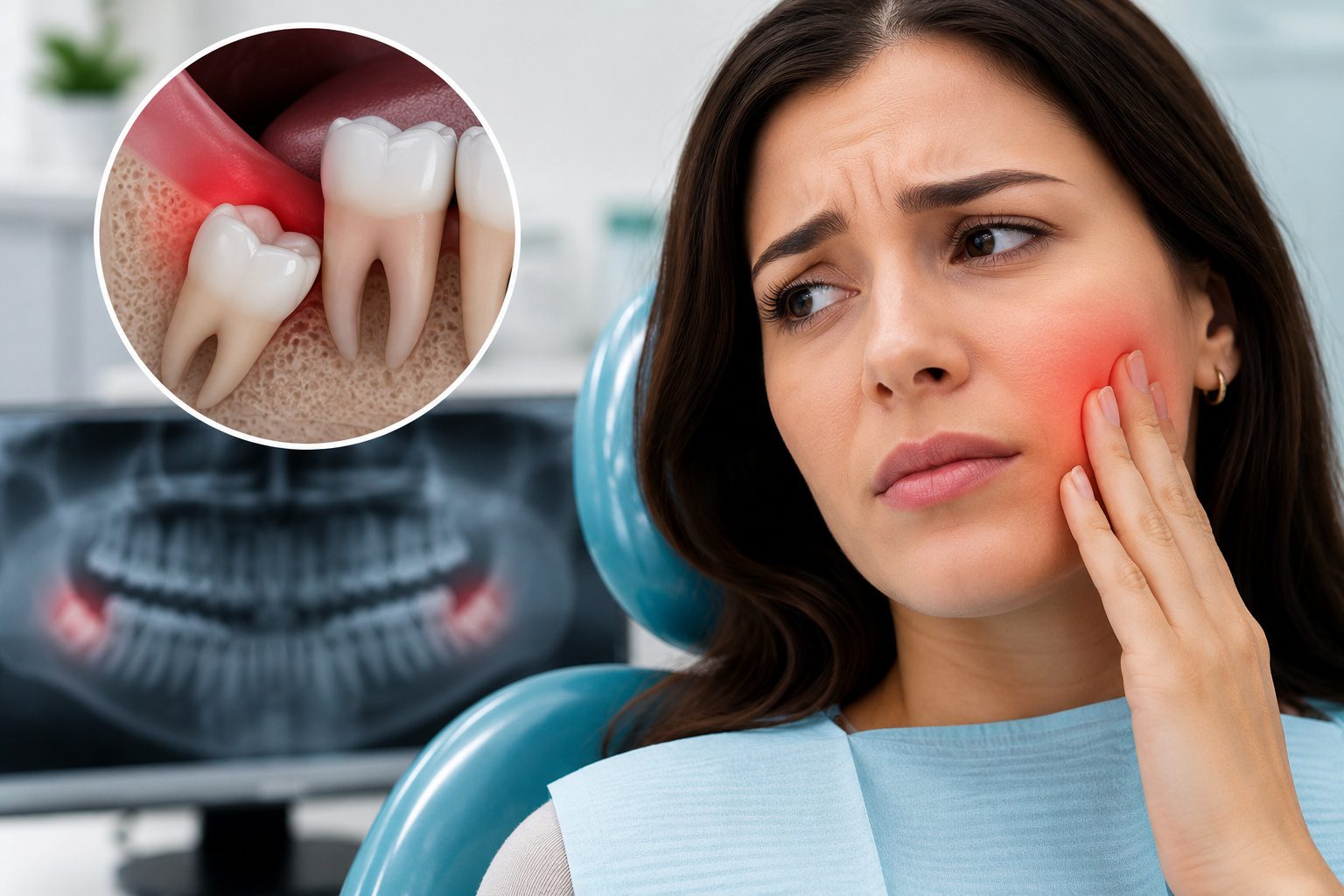
Wisdom teeth are the last set of molars to develop, typically appearing during the late teenage years or early twenties. While some people never experience problems with their wisdom teeth, many others deal with pain, crowding, infections, or other dental complications once these teeth begin to emerge. Because wisdom teeth often lack enough room to grow properly, they can create serious oral health issues if not monitored and treated early.
At Bingham Dental, we help patients protect their oral health through personalized wisdom tooth evaluations and comfortable extraction procedures when needed. If you have been wondering when to remove wisdom teeth, understanding the warning signs and potential risks can help you make informed decisions about your dental care.
Why Wisdom Teeth Often Cause Problems
Wisdom teeth were useful for early humans who had larger jaws and diets that caused significant tooth wear. Today, however, most people do not have enough space in their mouths to accommodate these extra molars. As a result, wisdom teeth often become impacted, meaning they are trapped beneath the gums or unable to fully erupt properly.
Impacted wisdom teeth can grow sideways, push against neighboring teeth, or partially emerge through the gums. These positioning problems may lead to discomfort, swelling, infections, and damage to nearby teeth.
Patients frequently ask when to remove wisdom teeth because problems can develop gradually, sometimes before symptoms become obvious.
Common Signs Wisdom Teeth May Need Removal
Not everyone experiences pain when wisdom teeth begin causing issues, which is why regular dental exams are important. However, several warning signs may indicate that extraction is necessary.
Jaw Pain or Pressure
One of the most common symptoms associated with problematic wisdom teeth is pain or pressure near the back of the mouth. This discomfort may worsen when chewing or opening the mouth fully.
Swollen or Bleeding Gums
Wisdom teeth that partially erupt can trap bacteria and food particles around the gums, leading to inflammation, tenderness, and bleeding.
Frequent Infections
Partially erupted wisdom teeth are difficult to clean properly, increasing the risk of bacterial infections around the gums and surrounding tissues.
Crowding or Shifting Teeth
Wisdom teeth may place pressure on neighboring teeth, potentially affecting bite alignment and crowding the smile.
Difficulty Opening the Mouth
Impacted wisdom teeth can cause jaw stiffness or soreness that limits comfortable movement.
Understanding these symptoms can help patients recognize when to remove wisdom teeth before more serious complications occur.
What Happens If Wisdom Teeth Are Left Untreated?
Ignoring problematic wisdom teeth can allow dental complications to worsen over time. Even if symptoms seem mild initially, impacted wisdom teeth may continue causing damage beneath the surface.
Potential complications include:
- Tooth decay
- Gum disease
- Jaw pain
- Damage to neighboring teeth
- Cysts or infections
- Bite alignment problems
- Bone damage around impacted teeth
In some cases, wisdom teeth remain trapped under the gums without causing immediate pain, but they can still contribute to hidden oral health problems. Regular dental X-rays allow your dentist to monitor wisdom tooth development and identify concerns early.
Patients researching when to remove wisdom teeth often learn that preventive removal can reduce the likelihood of future complications.
Is It Better to Remove Wisdom Teeth Early?
In many situations, removing wisdom teeth earlier rather than later offers several advantages. Younger patients often heal more quickly because the roots are not yet fully developed and the surrounding bone is less dense.
Early removal may help:
- Prevent crowding
- Reduce infection risk
- Avoid damage to nearby teeth
- Shorten recovery time
- Minimize complications during extraction
Dentists commonly recommend evaluating wisdom teeth during the teenage years or early twenties, even if no symptoms are currently present. Early monitoring allows problems to be identified before they become more severe.
When discussing when to remove wisdom teeth, preventive care is often an important part of the conversation.
What to Expect During Wisdom Tooth Removal
Many patients feel nervous about wisdom tooth extraction, especially if they have never had oral surgery before. Fortunately, modern dental technology and sedation options make the procedure far more comfortable than many people expect.
The process begins with a detailed examination and digital imaging to evaluate the position of the wisdom teeth. Depending on the complexity of the extraction, local anesthesia or sedation options may be used to ensure patient comfort throughout the procedure.
During extraction, the dentist carefully removes the wisdom teeth while minimizing trauma to surrounding tissues. Some teeth may need to be removed in sections if they are impacted beneath the gums or jawbone.
At Bingham Dental, patient comfort and safety are always priorities during wisdom tooth removal procedures.
Recovery After Wisdom Tooth Extraction
Healing after wisdom tooth removal varies from patient to patient, but most people recover within several days to a couple of weeks. Mild swelling, soreness, and temporary discomfort are normal during the healing process.
Following post-operative instructions carefully can help promote faster healing and reduce the risk of complications.
Patients are often advised to:
- Rest for the first 24 hours
- Apply ice packs to reduce swelling
- Eat soft foods
- Avoid smoking or using straws
- Keep the extraction area clean
- Take prescribed medications as directed
Most patients are surprised by how manageable recovery feels once the initial healing process begins.
Understanding when to remove wisdom teeth also includes recognizing the importance of proper aftercare for successful healing.
Do All Wisdom Teeth Need to Be Removed?
Not necessarily. Some wisdom teeth erupt normally, remain healthy, and do not create crowding or infection risks. In these cases, removal may not be necessary.
However, because wisdom teeth are located at the very back of the mouth, they are often difficult to clean properly and may still require close monitoring over time. Your dentist will evaluate factors such as tooth positioning, oral hygiene accessibility, and potential future risks before recommending extraction.
Patients wondering when to remove wisdom teeth should schedule regular dental evaluations to monitor development and determine the best course of action.
Schedule Your Wisdom Tooth Evaluation Today
Wisdom teeth can create serious oral health problems if they are not monitored and treated appropriately. Early evaluation allows your dentist to identify potential issues before they lead to pain, infections, or damage to surrounding teeth.
If you are experiencing discomfort or want to learn more about when to remove wisdom teeth, contact Bingham Dental today to schedule your consultation. Our experienced team is ready to help you protect your oral health with personalized care and comfortable treatment options.
Conclusion
Wisdom teeth can sometimes develop without causing problems, but in many cases they lead to pain, crowding, infections, and other oral health complications if left untreated. Understanding when to remove wisdom teeth is important for protecting your smile and preventing future dental issues. Early evaluation and timely treatment can help reduce discomfort, simplify recovery, and support long-term oral health.
Frequently Asked Questions About Wisdom Teeth Removal
1. At what age are wisdom teeth usually removed?
Wisdom teeth are most commonly removed between the ages of 17 and 25 because this is when they typically begin developing and causing issues.
2. Is wisdom tooth removal painful?
The procedure itself is generally comfortable because anesthesia or sedation is used. Mild soreness and swelling afterward are normal but temporary.
3. How do I know if my wisdom teeth are impacted?
Dental X-rays are the best way to determine whether wisdom teeth are impacted or growing improperly beneath the gums.
4. Can wisdom teeth cause headaches or jaw pain?
Yes. Impacted or infected wisdom teeth can create pressure that contributes to jaw pain, headaches, and facial discomfort.
5. How long does recovery take after wisdom tooth extraction?
Most patients recover within several days to two weeks, depending on the complexity of the extraction and how well post-operative instructions are followed.