
Once a cavity is confirmed, the next question is usually about material — and there are more types of dental filling available today than most patients realize. Each one has real tradeoffs in cost, durability, and appearance.
Here’s what actually separates them, so the conversation with your dentist makes more sense.
Amalgam (Silver) Fillings
Amalgam is a durable metal blend that’s been used in dentistry for well over a century. It’s strong, relatively inexpensive, and holds up especially well on back molars that take heavy chewing force — though its silver color makes it visible when you smile or laugh.
Despite some outdated concerns about the small amount of mercury used in the alloy, major health and dental authorities continue to consider amalgam safe for most patients. It remains a practical, budget-friendly option, particularly for larger fillings on back teeth that don’t show much when you talk or smile.
Composite (Tooth-Colored) Fillings
Composite resin is the most common of the modern types of dental filling, matched to your natural tooth shade so it blends in almost invisibly. It bonds directly to the tooth structure, which allows for a more conservative amount of drilling, and typically lasts seven to ten years with normal wear.
Because composite bonds chemically to the tooth rather than simply filling a cavity-shaped hole, dentists can often preserve more of your natural, healthy tooth structure compared to older filling materials, which generally required removing extra tooth material just to hold the filling securely in place.
Glass Ionomer Fillings
Glass ionomer releases fluoride over time, which offers some added cavity protection to the surrounding tooth structure. It’s less durable than composite or amalgam, so it’s typically reserved for smaller fillings, baby teeth, or areas that don’t bear heavy chewing pressure.
Gold and Ceramic Fillings
- Gold fillings: extremely durable and long-lasting, often 15 to 20 years or more, but the most expensive option and clearly visible in the mouth.
- Ceramic fillings: stain-resistant, tooth-colored, and durable, generally costing more than composite but offering a longer lifespan for larger restorations.
How Your Dentist Chooses Between Them
The decision usually comes down to the location and size of the cavity, how much chewing force the tooth handles, cosmetic priorities, and cost. A small cavity on a visible front tooth calls for a very different material than a large one on a back molar, which is why your dentist will typically walk through the options specific to your situation rather than defaulting to one material for everyone.
How Long Each Filling Type Actually Lasts
Longevity varies meaningfully across the available filling materials, and it’s one of the more practical factors to weigh alongside cost. Amalgam and gold tend to last the longest under heavy chewing pressure, composite and ceramic fall in the middle with strong everyday performance, and glass ionomer wears fastest but is rarely used anywhere that needs to withstand serious bite force.
Regardless of material, how well a filling holds up also depends heavily on your own habits — grinding, chewing ice, or skipping regular checkups can shorten the lifespan of even the most durable option, while good home care and routine visits help any filling reach its full expected lifespan.
Signs an Old Filling Needs Replacing
- Visible cracks or a rough edge: a filling that feels different under your tongue than it used to is worth mentioning at your next visit.
- New sensitivity: sudden sensitivity around an old filling can indicate a small gap has formed where bacteria can get underneath it.
- Dark staining at the edges: a thin dark line around a filling can be a sign of decay starting beneath it.
- A filling that’s fallen out entirely: this needs prompt attention, since the exposed tooth is vulnerable to further decay in the meantime.
Does the Procedure Itself Differ by Material?
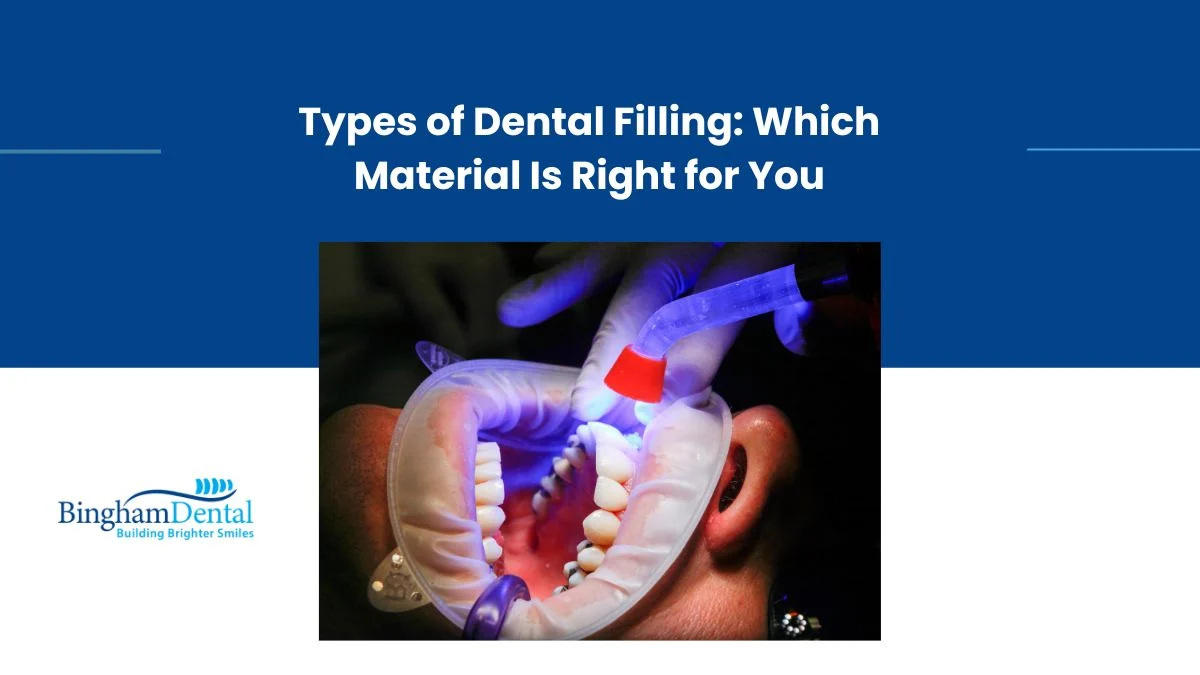
The basic steps are similar across materials: numbing the area, removing decay, shaping the tooth, and placing the filling. Composite fillings are typically applied in thin layers, each hardened with a curing light, while amalgam is packed in and shaped in one step, then left to harden on its own over the following hours.
What to Expect Right After Getting a Filling
Numbness typically lingers for a couple of hours after the appointment, so it’s worth waiting until it fully wears off before eating to avoid accidentally biting your cheek or tongue. Mild sensitivity to hot, cold, or pressure for a few days afterward is common and usually resolves on its own.
Composite fillings are typically hardened enough to eat on right away, while some other materials benefit from a bit more caution in the first 24 hours — your dentist will let you know if your specific filling needs any special care. Your bite might need to be adjusted, which is normal. You can call the office and they will get you in. This appointment will take about 15 minutes.
Fillings vs. Other Restorative Options
A filling is appropriate when a cavity is caught relatively early and enough healthy tooth structure remains to support it. Once decay or damage becomes too extensive, a crown, which covers the entire visible portion of the tooth, becomes the more durable option instead. Catching a cavity early is really what keeps a simple filling on the table as an option in the first place.
This is one more reason routine checkups matter beyond just cleanings — the earlier a cavity is found, the more choices you have for treating it.
Cost Expectations Across Materials
Amalgam tends to be the least expensive option upfront, composite costs somewhat more due to the material and technique involved, and gold or ceramic sit at the higher end of the price range. Insurance coverage also varies by material in some plans, so it’s worth checking your specific benefits before assuming any option is off the table financially.
Questions to Ask Before Your Filling
- Which material do you recommend for this tooth, and why?: understanding the reasoning helps you feel confident in the plan.
- How long should this filling realistically last?: expectations vary by location and size of the cavity.
- Will this be covered by my insurance?: worth confirming before the appointment, not after the bill arrives.
A Word on Newer Materials
Dental material science keeps evolving, and newer composite and ceramic formulations continue to close the durability gap with older, more rigid materials like amalgam and gold. It’s reasonable to ask your dentist what’s changed since your last filling, since recommendations from even five or ten years ago may not reflect what’s considered best practice today.
The Bottom Line on Choosing a Material
There’s rarely a single right answer, only the material that best fits your specific cavity, budget, and priorities. A brief, direct conversation with your dentist at your next appointment is really all it takes to land on the right choice with confidence.
Frequently Asked Questions
Q: Which type of dental filling is best?
There’s no single best option among the types of dental filling — composite is the most popular for its appearance and conservative fit, while amalgam and gold offer more durability for back teeth under heavy chewing force.
The right choice depends on where the cavity is, how large it is, and your own priorities around cost, longevity, and appearance, which is best discussed directly with your dentist.
Q: What kind of filling is best?
For most patients today, composite resin is the most commonly recommended filling because it blends with natural tooth color and requires less removal of healthy tooth structure than older materials.
That said, for very large fillings or teeth under heavy bite pressure, a dentist may recommend a stronger material like ceramic or gold instead.
Q: What are the four main types of dental fillings?
The four most commonly used types of dental filling are amalgam, composite resin, glass ionomer, and gold, with ceramic increasingly used as a fifth modern option.
Each material has a different balance of cost, durability, and appearance, which is why dentists keep several options available rather than using just one for every patient.
Q: What is the most common dental filling?
Composite resin is currently the most common type of dental filling used in general dentistry, largely because it matches natural tooth color and bonds directly to the tooth.
Amalgam was the dominant choice for decades and is still used in some cases, but composite has become the default recommendation for most cavities today.
Conclusions
Understanding the types of dental filling available makes the conversation with your dentist far more productive than just nodding along. Composite covers most everyday cavities well, while amalgam, gold, and ceramic each solve for specific situations. The right material really depends on your particular tooth and priorities.
To find out which material fits your cavity best, Bingham Dental in Magna can walk you through the options at your exam.