Gum disease is one of the most common oral health problems affecting adults, yet many people do not realize they have it until symptoms become more serious. Bleeding gums, bad breath, and gum sensitivity may seem minor at first, but untreated gum disease can eventually lead to tooth loss and other health complications. The good news is that early-stage gum disease can often be reversed with the right treatment and proper oral care habits.
At Bingham Dental, we help patients restore healthy gums and prevent long-term dental problems through personalized periodontal care. If you are wondering how to reverse gum disease, understanding the causes, symptoms, and treatment options can help you take the right steps toward a healthier smile.
What Is Gum Disease?
Gum disease, also known as periodontal disease, is an infection and inflammation of the gums caused by plaque and bacteria buildup around the teeth. It typically begins with gingivitis, the earliest stage of gum disease, and can progress into more severe periodontal disease if left untreated.
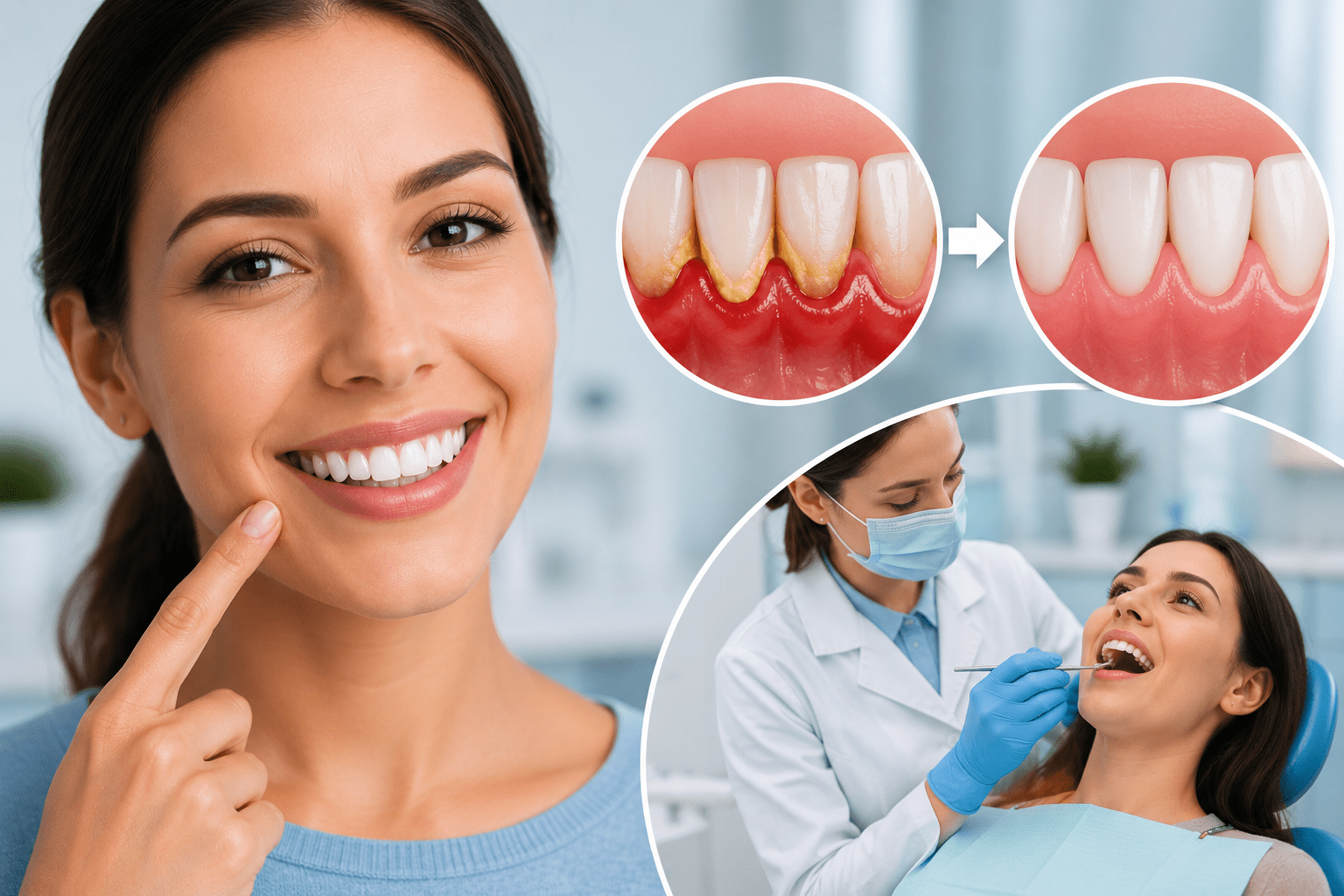
Gingivitis causes inflammation in the gums, making them swollen, tender, and more likely to bleed when brushing or flossing. At this stage, the damage is usually reversible with professional treatment and improved oral hygiene.
When patients ask how to reverse gum disease, the answer often depends on how early the condition is identified and treated.
Common Signs of Gum Disease
Many people do not notice gum disease right away because symptoms can develop gradually. However, recognizing the warning signs early is essential for preventing further damage.
Common symptoms include:
- Red or swollen gums
- Bleeding while brushing or flossing
- Persistent bad breath
- Gum tenderness
- Receding gums
- Loose teeth
- Increased tooth sensitivity
- Pain while chewing
If you notice any of these symptoms, scheduling a dental evaluation as soon as possible can help prevent the disease from worsening.
What Causes Gum Disease?
The primary cause of gum disease is plaque buildup along the gumline. Plaque is a sticky film of bacteria that forms on teeth every day. When plaque is not removed through proper brushing and flossing, it hardens into tartar, which can only be removed professionally.
Several factors can increase the risk of developing gum disease, including:
- Poor oral hygiene
- Smoking or tobacco use
- Diabetes
- Hormonal changes
- Chronic stress
- Certain medications
- Genetic factors
- Teeth grinding
Understanding these risk factors is important when learning how to reverse gum disease and prevent future oral health problems.
Can Gum Disease Really Be Reversed?
The good news is that gingivitis, the earliest stage of gum disease, can often be reversed completely with prompt treatment and improved oral care. Once gum disease progresses into advanced periodontitis, however, the damage becomes more difficult to reverse and usually requires ongoing management rather than complete reversal.
That’s why early detection is so important. The sooner gum disease is addressed, the better the chances of restoring healthy gums and preventing permanent damage.
Patients searching for information about how to reverse gum disease should know that consistent care and professional treatment play a major role in successful recovery.
Professional Dental Cleanings Matter
One of the most important steps in reversing gum disease is removing plaque and tartar buildup through professional dental cleanings. Even patients who brush regularly at home may miss bacteria and debris along the gumline.
For patients with more advanced gum disease, deep cleaning procedures such as scaling and root planing may be recommended. This treatment cleans beneath the gumline and smooths tooth roots to help gums reattach properly.
When discussing how to reverse gum disease, professional periodontal care is often one of the most effective solutions.
Improve Your Daily Oral Hygiene Routine
At-home oral care is essential for reversing early gum disease and maintaining healthy gums long term. Consistency matters more than anything when it comes to preventing plaque buildup.
Brush Properly Twice Daily
Use a soft-bristled toothbrush and fluoride toothpaste to gently clean teeth and gums twice a day. Brushing helps remove plaque before it hardens into tartar.
Floss Every Day
Flossing removes food particles and bacteria from areas your toothbrush cannot reach. Daily flossing is critical for reducing inflammation between teeth and along the gumline.
Use Antibacterial Mouthwash
Antibacterial mouthwash can help reduce bacteria that contribute to gum disease and bad breath.
Replace Your Toothbrush Regularly
Worn toothbrush bristles are less effective at cleaning teeth and gums. Replace your toothbrush every three to four months or sooner if the bristles become frayed.
Patients learning how to reverse gum disease often find that improving their daily oral hygiene habits leads to noticeable improvements in gum health.
Lifestyle Changes That Help Reverse Gum Disease
Your overall health and lifestyle choices can significantly affect gum health. Making healthy changes can support your body’s ability to fight infection and reduce inflammation.
Quit Smoking
Smoking is one of the biggest risk factors for gum disease because it weakens the immune system and slows healing. Quitting tobacco use can dramatically improve gum health.
Eat a Healthy Diet
Nutrient-rich foods support healthy gums and help the body fight infection. A balanced diet rich in vitamins and minerals can reduce inflammation and improve healing.
Stay Hydrated
Drinking water helps wash away food particles and bacteria while supporting saliva production, which naturally protects the mouth.
Manage Stress
Chronic stress may weaken the immune system and increase inflammation, making it harder for the body to fight gum infections.
Making positive lifestyle changes is an important part of understanding how to reverse gum disease and maintain long-term oral health.
Why Patients Trust Bingham Dental
At Bingham Dental, we believe healthy gums are the foundation of a healthy smile. Our team provides compassionate and personalized care designed to help patients prevent, treat, and manage gum disease comfortably and effectively.
We use modern dental technology and preventive strategies to identify gum problems early and create customized treatment plans for every patient. Whether you are experiencing early signs of gingivitis or more advanced periodontal concerns, we are committed to helping you restore your oral health.
Patients looking for guidance on how to reverse gum disease can trust our experienced team to provide supportive care and long-term solutions.
Conclusion
Gum disease is a common but serious condition that can affect both your oral health and overall well-being if left untreated. Fortunately, early-stage gum disease can often be reversed with professional dental care, improved oral hygiene, and healthy lifestyle habits. Taking action at the first signs of gum problems can help protect your teeth, restore healthy gums, and prevent long-term complications.
At Bingham Dental, we are dedicated to helping patients achieve healthier smiles through personalized periodontal care and preventive treatment. If you are searching for answers about how to reverse gum disease, our experienced team is here to guide you every step of the way. Contact Bingham Dental today to schedule your consultation and take the first step toward healthier gums and a stronger smile.
Frequently Asked Questions About Gum Disease
1. Can gum disease go away on its own?
No. Gum disease typically does not improve without treatment and proper oral hygiene. Early-stage gingivitis can often be reversed with professional cleanings and consistent home care.
2. What is the fastest way to improve gum health?
Professional dental cleanings combined with daily brushing, flossing, and improved oral hygiene habits are the most effective ways to improve gum health quickly.
3. Is bleeding while brushing a sign of gum disease?
Yes. Bleeding gums are one of the most common early signs of gingivitis and should not be ignored.
4. Can gum disease cause tooth loss?
Yes. Advanced periodontal disease can damage the bone and tissues supporting teeth, eventually leading to loose teeth or tooth loss if untreated.
5. How often should I visit the dentist if I have gum disease?
Your dentist may recommend more frequent cleanings and checkups depending on the severity of the condition. Regular visits are essential for monitoring and maintaining gum health.