The best dental treatment is the treatment you never need. Preventive dentistry — the combination of regular professional care, at-home hygiene, and targeted protective treatments — is designed to keep teeth healthy and catch potential problems before they require more significant intervention. At Bingham Dental, we believe that teaching patients about their specific dental health and giving them the tools to take control of it is one of the most important things we do.
The Core of Preventive Care: Regular Checkups and Cleanings
Every prevention strategy starts with regular dental visits. During these appointments, your dentist can identify early signs of decay, gum disease, or other issues — often before they cause any symptoms. Professional cleanings remove hardened tartar that can’t be addressed at home, no matter how diligently you brush and floss.
For most patients, a checkup and cleaning every six months is appropriate. Patients with a higher risk of decay or gum disease may benefit from more frequent visits.
Dental Sealants: Protection Where Cavities Most Often Form
The chewing surfaces of the back teeth — molars and premolars — have deep pits and grooves where food particles and bacteria tend to collect and where toothbrush bristles can’t always reach effectively. This makes them particularly vulnerable to decay.
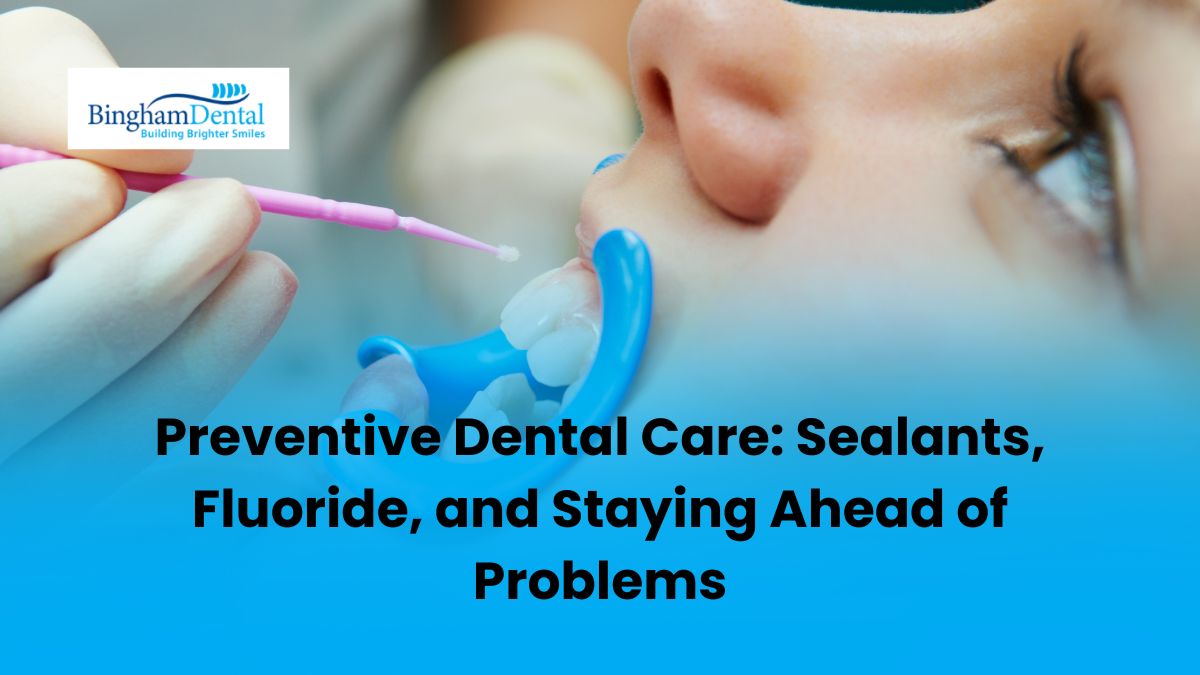
Dental sealants are thin, protective coatings applied to these surfaces to create a smooth barrier that’s much easier to keep clean. The application is quick, painless, and requires no drilling or numbing — the surface is simply cleaned, prepared, and painted with the sealant material, which hardens with a curing light.
Sealants are most commonly applied to children’s permanent molars shortly after they emerge, but adults without existing sealants or decay in those teeth can benefit as well. Studies consistently show that sealants significantly reduce the risk of cavities on the surfaces they cover.
Fluoride Treatments: Strengthening Enamel From the Outside In
Fluoride is a naturally occurring mineral that strengthens tooth enamel and makes it more resistant to the acids produced by bacteria in the mouth. While fluoride is present in many toothpastes and some water supplies, professional fluoride treatments provide a concentrated application that offers additional protection — especially for patients at higher risk of decay.
Professional fluoride is applied as a gel, foam, or varnish during a regular dental visit, taking just a few minutes. The treatment is particularly valuable for children, patients with dry mouth, those with a history of frequent cavities, and anyone undergoing orthodontic treatment.
Good At-Home Habits as the Daily Foundation
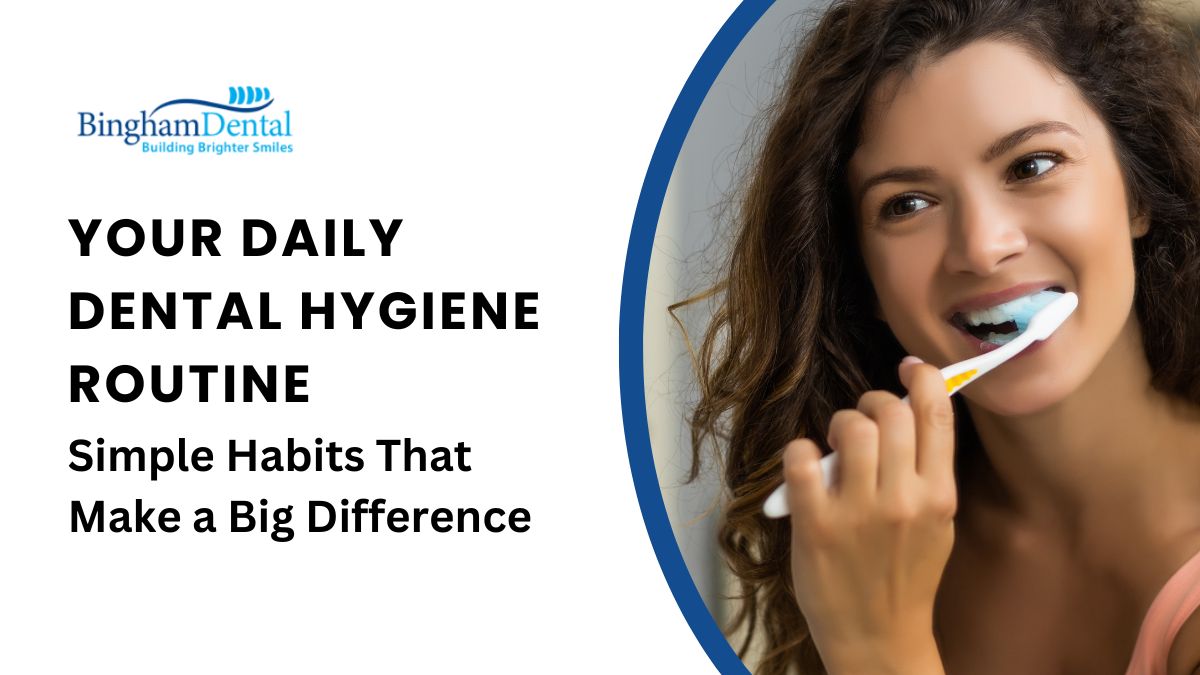
Professional preventive treatments work best when supported by consistent at-home habits. Brushing twice a day with fluoride toothpaste, flossing once daily to remove plaque from between teeth where brushes can’t reach, and limiting sugary or acidic foods and drinks all contribute significantly to long-term dental health. For patients with specific risk factors, our team may have additional personalized recommendations.
Conclusion
Preventive care is the most cost-effective approach to dental health — protecting your teeth with simple treatments today avoids the need for more invasive and expensive care down the road. Sealants and fluoride treatments are small additions to a regular dental visit that can make a meaningful difference, especially for children and higher-risk patients.
Frequently Asked Questions
How long do dental sealants last?
Sealants can last several years with normal wear, though they’re checked at each dental visit and can be reapplied if needed.
Are sealants only for children?
No — adults without decay or existing sealants on their molars can also benefit. Ask our team if sealants make sense for you.
Is professional fluoride treatment necessary if I use fluoride toothpaste?
For many patients, yes. Professional treatments provide a higher concentration of fluoride than toothpaste alone and offer additional protection, particularly for patients at higher risk of decay.
Do sealants or fluoride treatments hurt?
Neither treatment involves any pain. Sealants are applied without drilling or numbing, and fluoride treatments involve simply applying a gel, foam, or varnish to the tooth surface.
How can I tell if I’m at higher risk for cavities?
Factors like a history of frequent cavities, dry mouth, a diet high in sugar or acids, certain medications, or orthodontic appliances can increase your risk. Your dentist can assess your individual risk level and recommend appropriate preventive steps.
Prevention-Focused Care at Bingham Dental
At Bingham Dental, we’re committed to helping our patients in Magna, UT keep their teeth healthy for life — and preventive care is at the heart of everything we do.
Call (801) 250-7422 or book your next appointment online with our team today.